Mastering infill percentages for igus tribofilaments in 3D printing
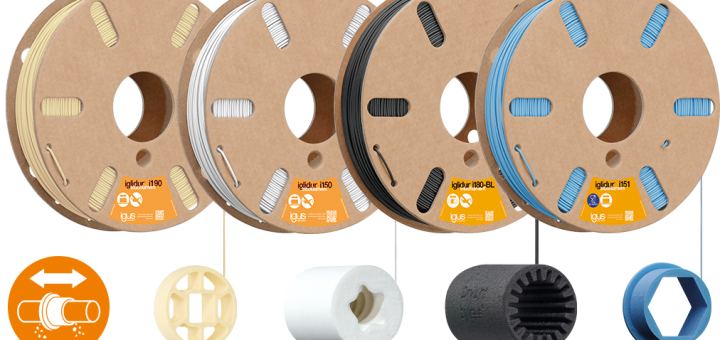
When it comes to 3D printing with igus tribofilaments infill percentage is a critical setting, so how much infill do you really need? Let’s break it down.
iglidur bearings igus® blogs. Find out more information about iglidur flange, sleeve and custom bearings, as well as, applications and industry examples.
When it comes to 3D printing with igus tribofilaments infill percentage is a critical setting, so how much infill do you really need? Let’s break it down.

Self lubricating bearings are unsung heroes. Their environmental impact is relatively small in comparison to their metal counterpart but what do we know about how they work?

As St. Patrick’s Day is coming up, let’s talk Guinness. Where is it made and what happens to get it out of production and into our pubs?

In today’s world, recycling has become an essential practice for reducing waste and conserving natural resources. But what plastics can be recycled?

If you could design a bearing into your application which was lighter, more cost-effective and could still cope with the demands that bronze ones are expected to, would you swap to a wound composite bearing? The TX1 is a great alternative to bronze bearings and are being used more and more in the agricultural industry. Why don’t you replace your bronze with polymer?

Industry 4.0 is the future but what exactly is it? Explore key factors contributing to the future of manufacturing and discover igus’® contribution to Industry 4.0!

Polymer or plastic gears are fast becoming the new way of manufacturing gears. There are many positive attributes to using plastic gears such as cost saving, weight reduction and noise reduction. More and more industries are using them, are you?

The range of gears now available is extensive from spur gears to helical gears and the material variety is ever growing but do you know the basics? Do you know what a gear is and more importantly, do you know what a spur gear is?